.avif)





.svg)
.svg)


Sommaire



Publié le
5/3/26
-
5 min

A content management system (CMS) is software that allows you to create and manage a website without having to code. Knowing how to use one of these tools is not something everyone can do, as there are many available on the market, each with its own advantages and disadvantages. For personalized support in using a CMS, you can contact us here. A good CMS is a content management system that meets the specific needs of your project. It must be easy to use, secure (to protect your site from attacks), and efficient. You also need to consider the type of website you want to create (some CMSs are more suited to creating simple websites, while others are more suited to creating complex websites), the necessary features (some CMSs offer a set of standard features, while others allow you to add custom features), or the level of complexity (some CMSs are easy to use, while others require more advanced technical skills).
Ultimately, the best way to choose a good CMS is to test different options and see what works best for you. That's why our team has chosen to present our selection of the best CMSs in this article.
A content management system (CMS) is software that allows users to create and manage websites without having to code. It provides a graphical user interface (GUI) that allows users to create and edit content, add features, and manage the website.
CMSs are used to create a variety of websites, including e-commerce sites, blogs, corporate sites, and personal sites. They are a popular choice for people who want to create a website without having to learn how to code.
There are different types of CMS, each with its own advantages and disadvantages. The most common types of CMS are as follows:
Open source CMSs are free software available to everyone. They are generally very flexible and customizable, but they may require advanced technical skills to use and maintain. They are often chosen by web developers and companies who want to have complete control over the implementation and maintenance of their website. This is why they are popular with people who want to create a customized website that meets specific needs.
Priority CMSs are CMSs that are used by a large number of people or organizations. They are often considered the best CMSs available for a variety of reasons, including their ease of use, flexibility, security, and performance. Squarespace is a good example of this, as it is similar to Wix but offers a few more customization features.
Specialized CMSs are designed for a specific type of website, such as e-commerce or corporate sites. They offer specific features and digital tools that are tailored to this type of website, such as WooCommerce (a WordPress extension that transforms a WordPress site into an e-commerce site) or Sitecore (a proprietary enterprise CMS that offers a variety of features for large companies).
.webp)
Choosing the perfect CMS for your business depends on the specific needs of your digital project. It is important to compare the different options available before making your choice. Here are some questions to ask yourself when choosing the ideal CMS:
By answering these questions, you will begin to identify the CMSs that best meet your expectations.
Here is our selection:
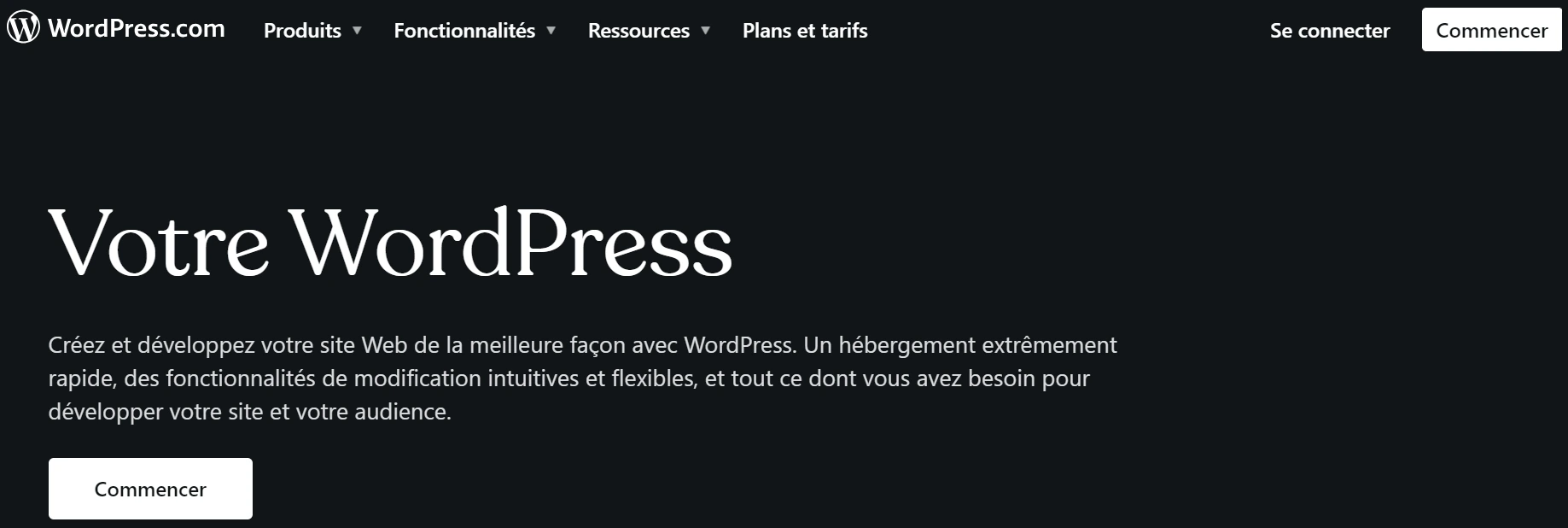
WordPress is the most popular CMS in the world, with over 40% market share. It is ideal for creating websites of all sizes and types, from blogs to e-commerce sites to institutional sites. WordPress is easy to use and offers a wide range of features, making it ideal for beginners and experts alike.

Joomla is a powerful and flexible CMS, ideal for creating complex websites. It offers great freedom of customization, making it an ideal choice for websites requiring specific features. Joomla is a little more complex to use than WordPress, but it offers greater control over the design and functioning of the website.
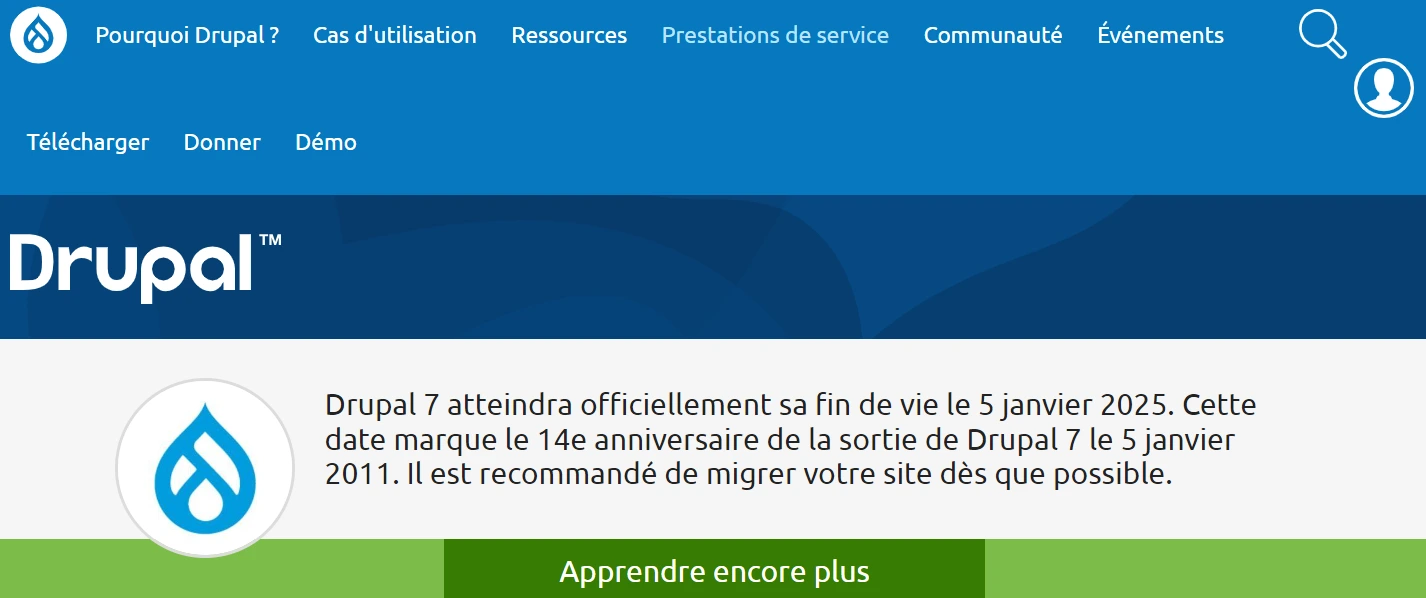
Drupal is a robust and secure CMS, perfect for publishing institutional or corporate websites. It is designed to meet the needs of businesses and organizations, and offers optimal security and performance. Drupal is a little more complex to use than WordPress or Joomla, but it offers a higher level of security and customization.

Wix is an intuitive and easy-to-use CMS designed for creating simple websites. It offers a visual creation interface that allows you to create a website quickly and easily, without having to code. Wix is a good choice for people who want to create a website without having to worry about the technology.
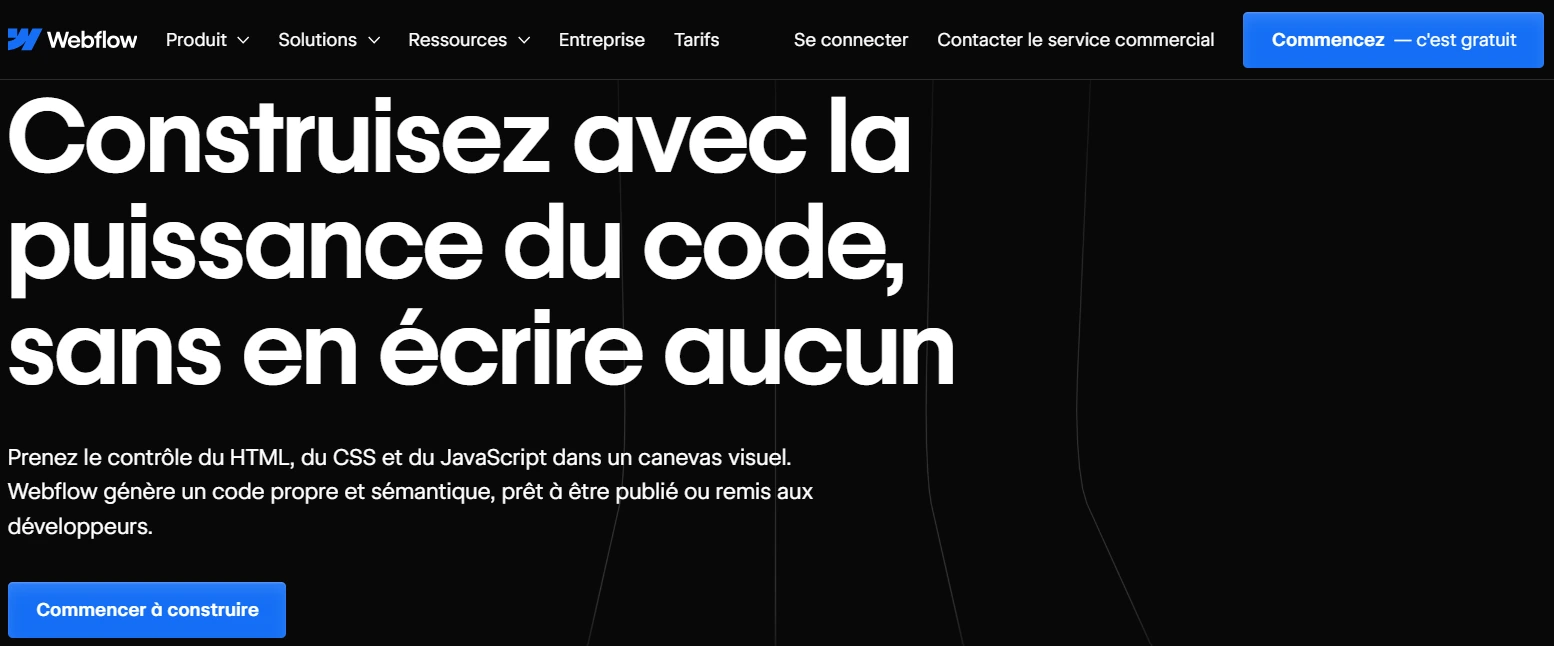
Webflow is a no-code CMS that allows users to create professional, customized, and responsive websites without having to write a single line of code. It offers an intuitive visual creation interface that allows users to create websites in a visual and orderly manner.
Check out our blog articles for more information on the benefits and effectiveness of Webflow compared to other CMSs:
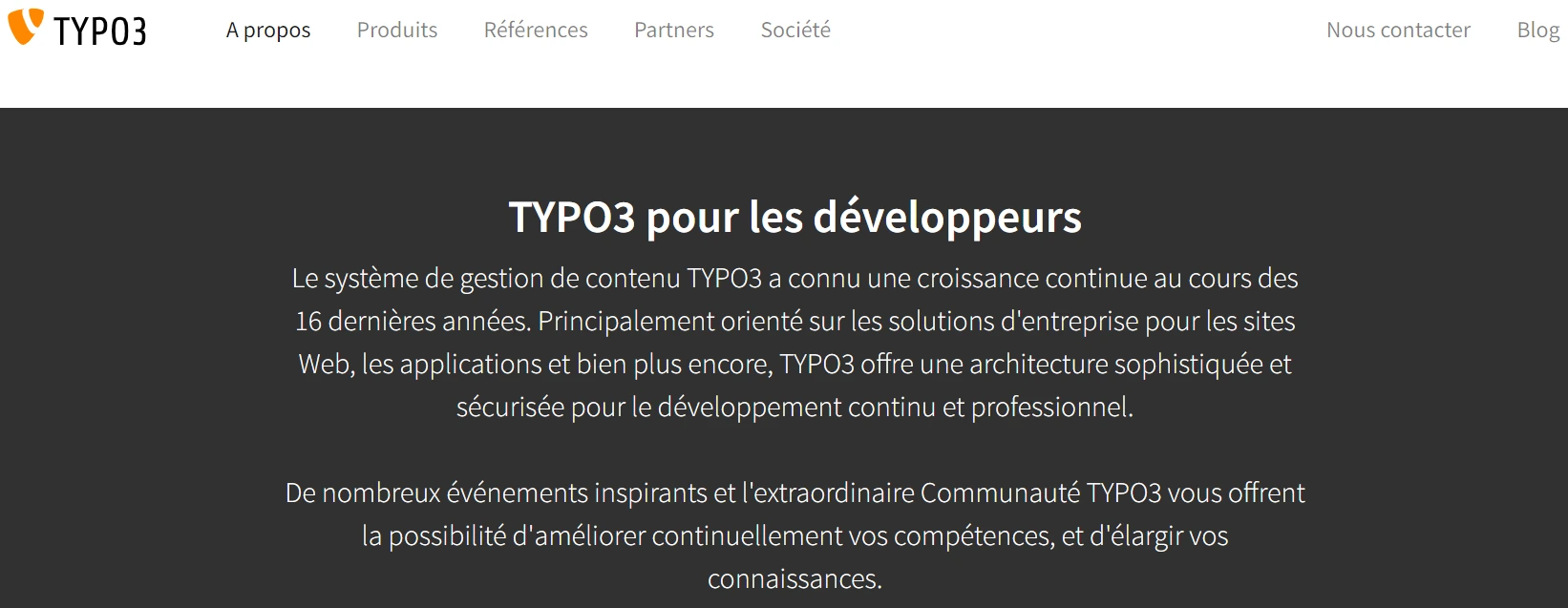
TYPO3 is an open-source content management system (CMS) that allows you to create and manage complex, customized websites. It is written in PHP and is based on a modular architecture.

Shopify is a CMS designed for creating simple and easy-to-use e-commerce stores. It is ideal for small and medium-sized businesses that want to quickly create a high-performance online store, as it offers a wide range of templates and features and is compatible with a variety of payment gateways.

PrestaShop is an open-source e-commerce CMS that is ideal for businesses of all sizes that want to create a powerful and flexible online store. PrestaShop offers a wide range of features and add-ons, and is compatible with a wide variety of payment gateways.

Ghost is an open-source blogging CMS designed for bloggers who want to create a stylish and high-performance blog website. This CMS is easy to use because it offers a wide range of features, including comment management, social media publishing, and ad integration.

Squarespace is a CMS similar to Wix, but it offers a few more features and customization options. Squarespace is a good choice for people who want to create a website quickly without having to code.
It's important to compare different options before making your choice. Here are some criteria to consider:
If you want to create a simple website, a CMS such as Wix or Jimdo is a good option. These CMSs are easy to use and offer a wide range of templates and features. If you want to create a more complex website, a CMS such as WordPress, Webflow, or Drupal is a better option because they offer greater freedom of customization and allow you to add technical features using no-code.

CMSs are used in modern innovation to create interactive and engaging websites that use technologies such as machine learning and augmented reality. They are also used to create mobile-friendly and search engine optimized websites.
Here are some concrete examples of how CMS are used in modern innovation:
In conclusion, CMSs are powerful tools that can be used to create innovative and effective websites. They are essential for any organization that wants to have an online presence, but can sometimes be difficult to use. That's why the Easyweb team is at your disposal for any further information on how to use these cutting-edge digital tools.